What are the immediate first aid steps?
When you notice an unexplained bite that might belong to a brown recluse, start with simple, non-invasive first aid. Clean the skin gently using mild soap and cool tap water. This removes surface dirt, oils, and bacteria that could otherwise enter the puncture wound and cause a secondary infection.
Next, place a clean ice pack or cool damp cloth over the area for ten to fifteen minutes at a time. Cold helps minimize localized swelling and dulls the initial sting. Keep the bitten area elevated above your heart if the wound is on an arm or leg to reduce fluid buildup.
- Wash gently with mild soap and water.
- Apply a cold pack wrapped in a cloth.
- Elevate the bitten area to ease swelling.
- Rest the affected limb to slow venom spread.
What should you avoid doing to the bite?
Certain common home remedies can do far more harm than good. Never apply direct heat, heating pads, or warm compresses to a suspected recluse bite, because heat accelerates venom activity and can worsen local tissue breakdown.
Avoid squeezing, scratching, or lancing the bite area. Cutting into the skin increases the risk of serious bacterial infections. Similarly, avoid applying harsh home chemicals, unverified poultices, or tight tourniquets that restrict normal blood circulation.
When should you seek medical attention?
You should contact a doctor, urgent care clinic, or emergency room right away if you suspect a recluse bite. While many bites remain mild red bumps, some develop a central blister, darkening skin, or an ulcerating sore over several days.
Seek emergency care immediately if you notice systemic signs such as fever, chills, widespread rash, muscle aches, nausea, or joint pain. Young children, elderly adults, and individuals with compromised immune systems are especially vulnerable to stronger reactions and require prompt clinical evaluation.
How can you help your doctor confirm the bite?
Diagnosing a brown recluse bite is difficult because many skin conditions, bacterial infections, and other insect stings look identical. If you can do so safely, capture the spider in a secure, clear container without crushing it, or take a clear photo.
Bring the specimen to your appointment so the provider can confirm the species. If you cannot safely capture the spider, do not risk getting bitten again. Simply describe where and when you encountered it to assist your healthcare team.
How do you check your home for hiding spiders?
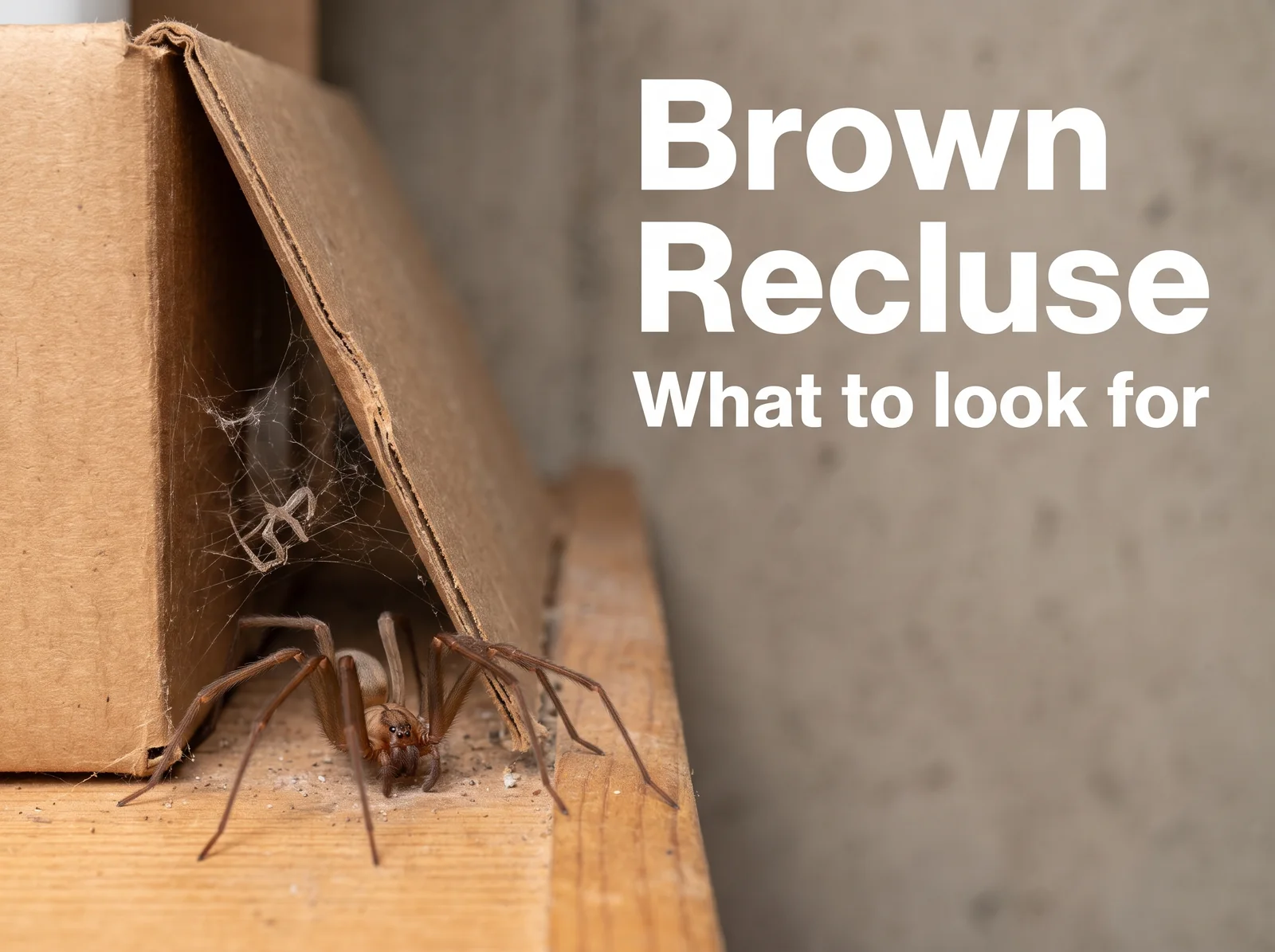
After addressing the bite, your next step is checking your living space to prevent another incident. Brown recluses favor undisturbed, dark spaces. Focus your inspection on storage areas, attics, basements, closets, and crawlspaces.
Wear heavy work gloves and long sleeves while inspecting. Look behind furniture, inside cardboard boxes, under baseboards, and within stacks of stored clothing. Using a flashlight helps you spot their irregular, messy webs tucked deep into corners and quiet crevices.
How can you eliminate clutter and hiding spots?
Brown recluses thrive where clutter provides endless secluded shelters. Replace corrugated cardboard boxes with smooth, airtight plastic storage bins with tight-fitting lids. Cardboard offers easy entry points and mimics the natural wood cracks these spiders prefer.
Keep storage off the floor and away from interior walls whenever possible. Launder or shake out blankets, shoes, and seasonal clothing before use. Regularly vacuum along floorboards, under beds, and behind heavy appliances to physically remove spiders, egg sacs, and stray webs.
What exclusion and monitoring steps work best?
Prevent spiders from entering your living areas by sealing small gaps around plumbing pipes, utility lines, windows, and doors. Install tight door sweeps on exterior doors and replace torn window screens to block outdoor invaders.
Place flat, non-toxic sticky glue traps along baseboards, behind dressers, and near garage doors. These monitors catch wandering spiders and help you track population levels over time without introducing chemical residues to your sleeping and living quarters.
- Seal utility entry holes with silicone caulk or copper mesh.
- Install door sweeps on all exterior thresholds.
- Place sticky traps flat against walls where spiders walk.
- Move firewood and yard debris away from the foundation.
When is professional pest control needed?
If monitoring traps reveal a heavy infestation or you continue finding spiders in living areas, professional intervention is wise. A licensed pest management professional has the specialized equipment and experience to treat deep wall voids and difficult structural voids safely.
If chemical treatments are necessary, ensure only an EPA-registered product labeled for the target pest and specific indoor site is used. Always follow the complete product label, keep children and pets away during treatment, and maintain good sanitation to keep spiders from returning.
Questions you may still have
How long does a brown recluse bite take to heal?
Mild bites often heal within one to three weeks with basic wound care. More severe bites that develop necrotic ulcers can take several weeks or even months to resolve fully. Keep the area clean, avoid picking at scabs, and follow your doctor's instructions to support steady recovery.
Can you treat a brown recluse bite at home with antibiotics?
No. Spider venom is not a bacterial infection, so leftover oral antibiotics or non-prescription ointments will not neutralize the venom. A healthcare provider will prescribe antibiotics only if a secondary bacterial infection develops in the open skin wound.
Why do brown recluses bite people in bed?
Brown recluses do not hunt people or bite aggressively. Bites in bed usually happen when a wandering spider gets trapped between bedsheets and your skin, causing it to bite in self-defense. Keeping bed skirts off the floor and moving beds away from walls helps prevent this.