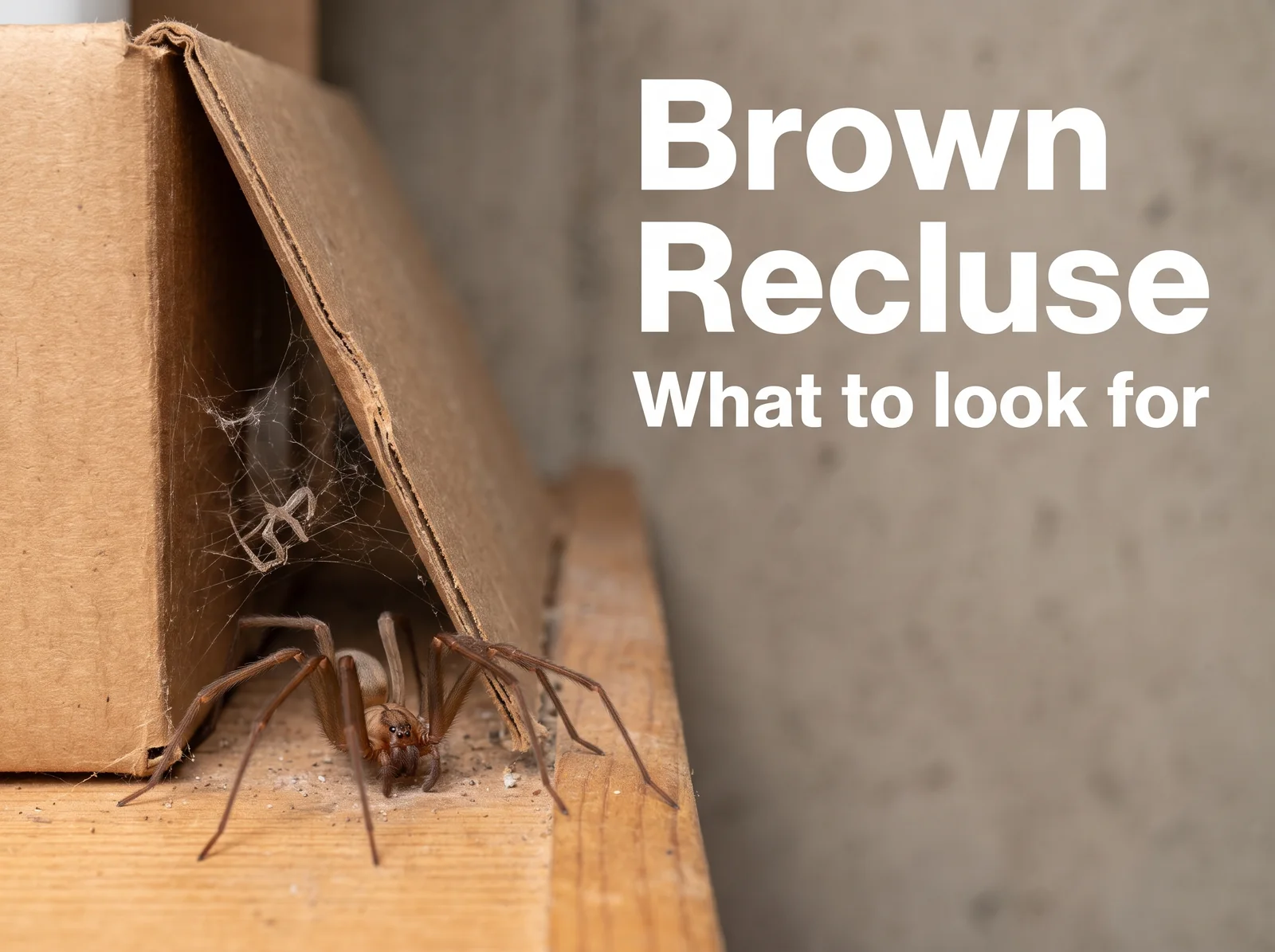
Why do brown recluse spiders gather in garages?
Garages create an ideal environment for brown recluse spiders because they mimic natural sheltered habitats. These spiders seek dark, quiet locations that remain dry and free from frequent human activity. Stacks of lumber, old tires, tool benches, and seasonal storage provide countless narrow voids where they can hide during daylight hours.
In addition to shelter, garages attract other small insects that serve as prey. Exterior lights draw moths, beetles, and crickets inside through loose weatherstripping. Once a steady food supply is established, spiders settle in to hunt at night, building irregular retreat webs in secluded corners.
- Cardboard boxes that absorb warmth and provide tight crevices
- Piles of unused work gloves, tarps, and gardening equipment
- Gaps along garage door frames that admit outdoor prey insects
Where should you inspect for garage infestations?
Begin your inspection in the most undisturbed areas of the garage. Brown recluse spiders rarely rest in open sight, preferring recessed cavities, wall voids, and the undersides of workbenches. Check behind wall-mounted pegboards, inside folded patio furniture, and around the perimeter of water heaters.
Inspect storage containers carefully, especially along bottom edges and seams. Lift items away from walls using a flashlight, keeping hands protected with thick gloves. Look for cream-colored, disc-shaped egg sacs spun against rough surfaces or hidden inside folded fabrics and old work clothing.
- Behind stacked storage bins resting directly on concrete floors
- Inside cardboard flap folds and between stacked scrap lumber
- Along dark sill plates and unfinished drywall seams near ceilings
How does garage decluttering reduce spider numbers?
Decluttering is the most effective way to eliminate brown recluse harborages in an attached or detached garage. When you remove loose piles and floor-level storage, spiders lose the protected microhabitats they need to survive and reproduce. Open, clean spaces force spiders to move elsewhere.
Switch all paper and cardboard storage over to clear plastic totes with tight-fitting, gasketed lids. Cardboard emits odors that attract scavenging pests and offers rough surfaces spiders easily climb. Storing items on wire metal shelving rather than the bare floor further isolates your belongings from crawling pests.
- Dispose of empty shipping boxes, paper grocery bags, and scrap wood
- Keep storage items elevated at least six inches off the concrete floor
- Hang yard tools on wall hooks instead of leaning them in corners
How do you seal garage entry points against pests?
Exclusion stops outdoor spiders and wandering prey insects from entering your garage. Start by checking the rubber bottom seal on your main garage door. If the gasket is cracked, warped, or leaves visible light gaps at the corners, install a heavy-duty replacement threshold kit.
Inspect the perimeter walls for structural penetrations. Seal openings around hose bibs, electrical conduit, dryer vents, and side entry doors using expanding foam or exterior-grade silicone caulk. Add fine wire mesh behind passive wall vents to prevent pests from entering the framing.
- Install dense brush sweeps on side entry and walkthrough doors
- Patch cracks in concrete foundations and masonry walls
- Repair torn window screens and seal loose framing trim
What is the best way to use glue boards in a garage?
Sticky traps provide both non-chemical control and continuous population monitoring. Brown recluse spiders travel along floor-wall junctions rather than crossing open floor spaces. Place flat glue traps every five to ten feet along the entire interior perimeter of the garage.
Position extra traps on both sides of each garage door track, behind water heaters, and beneath workbench legs. Check the boards weekly to evaluate capture rates and pinpoint high-activity zones. Leave traps in place for several months to capture newly hatched spiderlings.
- Place traps flat against baseboards where walls meet the floor
- Avoid moving captured boards quickly to prevent escapes
- Replace traps immediately once dust or captured pests cover the surface
How should you clean and vacuum garage spaces safely?
A heavy-duty shop vacuum equipped with a high-efficiency filter is an excellent tool for direct spider removal. Vacuuming instantly eliminates adult spiders, immature nymphs, webs, and egg sacs without dispersing chemical residues. Work systematically from high rafters down to floor joints.
Wear long sleeves, long pants, and leather work gloves while cleaning. Shake out work shoes, gardening boots, and clothing before handling them. Once vacuuming is complete, immediately dispose of the vacuum bag in a sealed outdoor trash container, or empty the canister outside.
- Run the vacuum hose behind appliances and deep into wall studs
- Brush away old webbing around garage door openers and ceiling tracks
- Clean floor perimeters with a stiff broom to expose hidden voids
When should chemical treatments be applied in a garage?
Pesticide applications should serve only as a targeted supplement after cleaning, decluttering, and exclusion are complete. If spider captures remain high on sticky traps, consider applying an EPA-registered product labeled specifically for spiders and garage use. Follow all label instructions for crack-and-crevice application.
Treat only narrow baseboard voids, expansion joints, and structural cracks where spiders hide. Avoid broadcast sprays across wide floor areas, as brown recluse spiders walk on the tips of their legs and rarely pick up fatal chemical doses from open surfaces.
- Apply products exclusively to narrow gaps, sill plates, and framing voids
- Never apply treatments around pet bedding, feeding areas, or open tools
- Confirm the target pest and garage site are explicitly listed on the label
Questions you may still have
Can brown recluse spiders survive freezing winter garage temperatures?
Brown recluse spiders produce natural cryoprotectants that allow them to survive freezing conditions in sheltered voids. While extreme cold slows their movement and reproduction, spiders tucked inside insulated wall spaces, stacked boxes, or storage totes can easily survive typical winter temperatures in unheated garages.
Do ultrasonic pest repellers work against spiders in a garage?
Independent research shows ultrasonic pest repellers do not deter spiders or drive them from garage structures. Brown recluse spiders do not respond to high-frequency sound waves. You will achieve far better results relying on physical exclusion, decluttering, moisture management, and perimeter sticky boards.
How do you inspect stored garage items before moving them inside?
Take stored boxes outdoors or into a brightly lit driveway before unpacking. Open flaps away from your body while wearing protective gloves. Inspect every item individually, shake out blankets and clothing, and wipe down hard goods before carrying any garage container into living quarters.