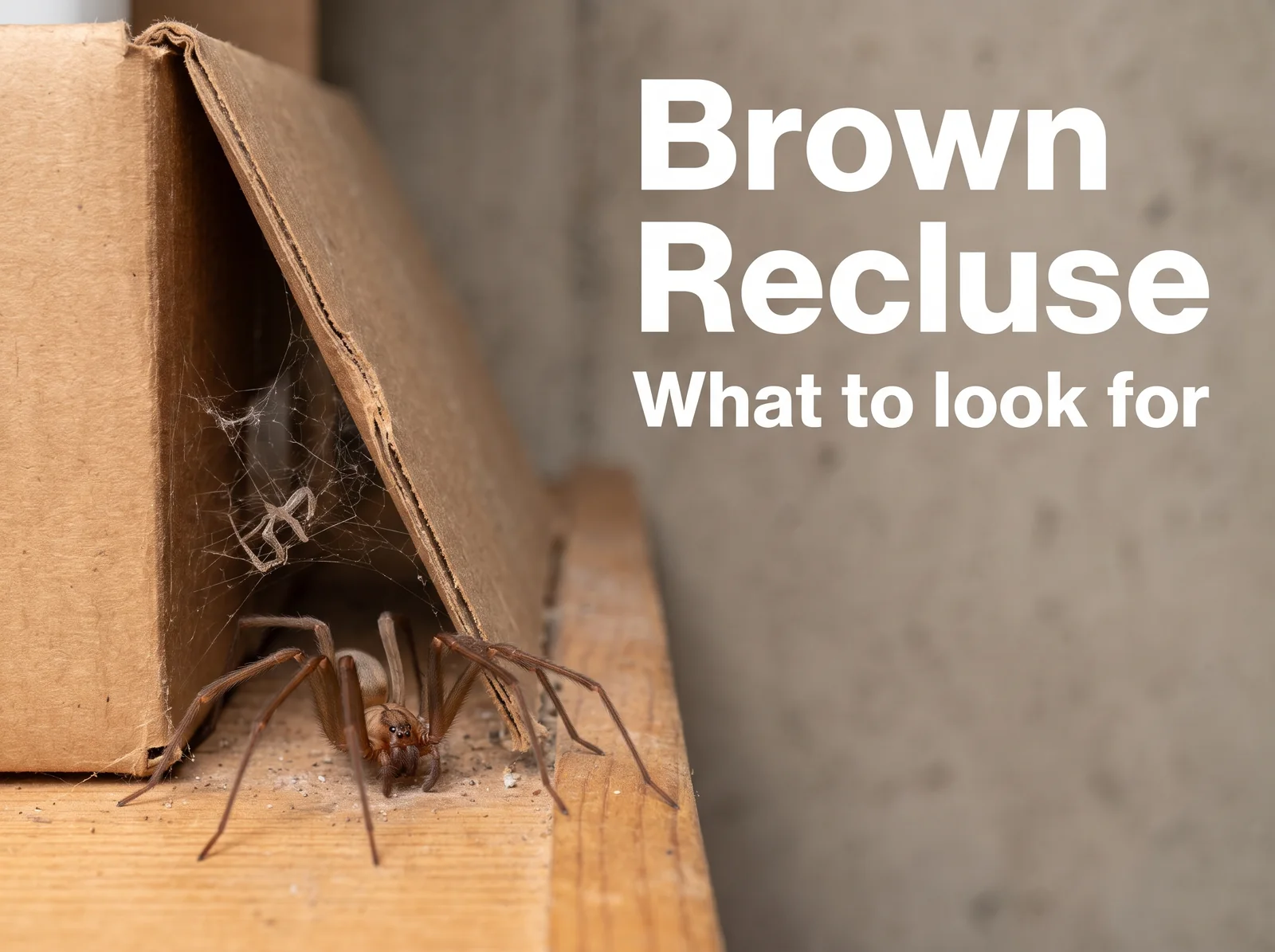
Why do natural methods work well for brown recluse spiders?
Brown recluse spiders spend daylight hours tucked away inside narrow cracks, wall voids, cardboard boxes, and rarely moved furniture. Because they do not groom their feet like insects do, walking across pesticide residues often fails to deliver a quick knockdown.
Natural tactics target their actual living requirements. When you eliminate their hiding spots and food supply, you make your home inhospitable. Physical traps capture hunting adults, while proper storage techniques isolate vulnerable belongings.
- Targets the dark, sheltered cracks spiders rely on during daylight hours.
- Reduces insect populations that serve as their primary indoor food source.
- Physically captures roaming spiders without spreading airborne chemical residues.
How does decluttering reduce brown recluse hiding spots?
Clutter is the primary reason brown recluses establish large populations indoors. They favor dry, quiet zones like attics, basements, closets, and crawlspaces where cardboard boxes and loose clothing sit untouched for months.
Swapping cardboard for airtight plastic bins with secure lids immediately removes harborage. Keep boxes off the floor and away from walls to eliminate the dark runways spiders prefer for nighttime travel.
- Replace corrugated cardboard boxes with smooth, snap-lid plastic totes.
- Store seasonal garments, linens, and shoes inside sealed plastic bags.
- Keep storage shelves at least two inches away from exterior walls.
Where should you place sticky traps for natural control?
Flat glue boards are among the most effective non-chemical tools for tracking and reducing recluse populations. Male recluses wander actively at night searching for mates, making them easy to catch on adhesive surfaces.
Place traps flat against baseboards, behind furniture, inside closet corners, and near utility entry points. Check the traps weekly to identify high-activity zones and dispose of trapped spiders safely without touching them directly.
- Position glue boards flush against baseboards where walls meet the floor.
- Set traps under beds, behind dressers, and along dark closet perimeters.
- Leave traps in place continuously to monitor population drops over time.
How can you use routine vacuuming to clear hidden spiders?
A strong vacuum cleaner with a hose attachment provides immediate physical removal of spiders, their egg sacs, and their irregular webbing. This method removes the pests instantly without crushing them by hand.
Focus on under-bed areas, behind heavy appliances, beneath couch cushions, and around floor joists. Once finished, seal the vacuum bag in a plastic trash bag and dispose of it in an outdoor bin right away.
- Use narrow crevice tools along baseboard gaps and behind wall hangings.
- Vacuum under storage pallets, workbench frames, and basement steps.
- Empty canisters or dispose of bags immediately in an exterior trash receptacle.
What exclusion steps keep brown recluses from entering your home?
Preventing entry from the outside stops new spiders from replacing the ones you remove indoors. Recluses easily squeeze through thin gaps around door thresholds, siding seams, and utility conduits.
Inspect your exterior foundation and apply silicone-based caulk to any visible cracks. Install sturdy door sweeps along exterior doors and ensure crawlspace vent screens are intact and tightly fastened.
- Seal gaps around plumbing pipes, electrical cables, and dryer vents with caulk.
- Install tight-fitting door sweeps on garage, basement, and exterior doors.
- Patch torn window screens and repair damaged crawlspace access doors.
How does moisture and insect control help manage spiders?
Brown recluses hunt live prey, feeding on silverfish, crickets, roaches, and other small insects. When your home supports an active insect population, spiders have an abundant food source that encourages breeding.
Running a dehumidifier in damp basements and crawlspaces dries out the air, deterring moisture-loving prey insects. Fixing leaky pipes and cleaning up crumbs reduces the pest community supporting the spiders.
- Maintain indoor relative humidity below fifty percent in basements.
- Repair plumbing leaks and dripping spigots to eliminate drinking water.
- Switch outdoor lighting near doorways to yellow bug bulbs to minimize insect attractants.
What daily habits protect your family while removing spiders?
Brown recluses rarely bite unless accidentally pressed against human skin. Developing a few simple daily habits greatly reduces the chance of an accidental encounter while your management plan takes effect.
Shake out shoes, jackets, and work gloves before putting them on, especially if stored in basements or closets. Pull bed frames away from walls and remove bed skirts that touch the floor.
- Shake clothing, towels, and boots thoroughly before use.
- Pull beds several inches away from walls and remove dust ruffles.
- Wear heavy work gloves when moving firewood, lumber, or stored boxes.
Questions you may still have
Do essential oils repel brown recluse spiders effectively?
Essential oils like peppermint or citrus may produce temporary avoidance in tight spaces, but they do not eliminate infestations. Scents dissipate quickly and will not penetrate the deep wall voids or subfloors where recluses nest. Relying solely on oils leaves the breeding population undisturbed, making physical exclusion, trapping, and sanitation far more dependable.
Can regular pest control sprays make a recluse problem worse?
Broad-spectrum chemical sprays can sometimes scatter spiders deeper into walls without killing them, spreading the population across more rooms. Sprays might also kill beneficial predatory insects while missing well-hidden recluses. Focusing on non-chemical trapping and physical removal keeps the spiders localized and allows you to measure your progress accurately.
How long does it take to naturally clear a brown recluse population?
Because brown recluses can survive for months without food and hide deeply, natural population suppression generally takes several months of consistent effort. Maintaining fresh sticky traps, keeping clutter cleared, and eliminating prey insects steadily drains the population until trap catches drop to zero.