#1
Best for: best for in-depth species profiles alongside photo scans
BugKnow leans heavily into AI-powered bug identification by picture, drawing from a database of more than 260,000 species. You upload or snap a photo, optionally add your city for better regional matching, and it returns a species match along with details on behavior, habitat, and how the bug affects people or pets.
Beyond the basic scan, BugKnow adds a photo-based bite checker for mystery marks and a pest severity tool that walks you through a few questions before suggesting next steps. You can also save results into folders, which turns casual identifications into an ongoing personal insect log over time.
Useful strengths
- Covers a very wide range of species
- Includes a photo-based bite reference tool
- Pest severity assessment with practical next steps
- Lets you organize past identifications into folders
Limits to consider
- Unlimited scanning is tied to the app download
- Bite results are informational only, not a medical diagnosis
#2
Best for: best for quick, no-account bug identification by picture
Insectio keeps things simple: choose or snap a photo, add a location if you want, and get a match from a database of over 210,000 species within seconds. Each result comes with a confidence score, so you get a sense of how sure the match is rather than a flat answer.
It also pays attention to privacy, since photos are used only for the scan and then discarded rather than stored. A personal Collection feature lets you keep track of past identifications, and species profiles cover diet, habitat, and whether the bug is harmful or harmless.
Useful strengths
- No account required to start identifying
- Photos aren't kept after the scan
- Confidence score included with each result
- Clear species profiles covering habitat and risk
Limits to consider
- Some features sit behind a paid subscription
- Blurry or distant photos reduce match quality
#3
Best for: best for a browser-based bug identification by picture tool with no app needed
BugIdentifier.Org runs entirely in your browser, so there's nothing to install. You upload a photo, enter your city for better local matching, and get a species result covering more than 260,000 possibilities, along with notes on whether the bug is likely to bite or cause trouble around the house.
It also includes a pest severity check for anyone dealing with a possible infestation, walking through a short set of questions before giving a general read on how serious the situation might be and what to try next. The site works well as a quick reference without any commitment to a mobile app.
Useful strengths
- No app download needed
- Location input for more relevant regional matches
- Pest severity check with next-step suggestions
- Broad coverage across insects, spiders, and other arthropods
Limits to consider
- Browser-only, with no dedicated mobile app
- Free daily identification allowance is limited
#4
Seek by iNaturalist
Best for: best free option for outdoor bug identification by picture on the go
Seek, built by the team behind iNaturalist, is aimed at nature exploration rather than pest control specifically. Point your camera at a bug outdoors and it tries to suggest a species match in real time, drawing on the same species data that powers the main iNaturalist platform.
It's a fun, low-pressure way to learn about backyard wildlife, and it works without an account, which makes it easy for families and casual users to pick up. It's less focused on household concerns like bite risk or infestation severity, so it works best as a general nature companion rather than a pest-specific tool.
Useful strengths
- Free with no account required
- Real-time camera scanning outdoors
- Backed by a large existing species database
- Friendly for casual and family use
Limits to consider
- Not built around household pest concerns
- Accuracy can drop for young or unusual-looking insects
#5
Picture Insect
Best for: best for a dedicated mobile app built around insects
Picture Insect is a smartphone app built specifically for bug identification by picture, letting you snap a photo of an insect and get a species match along with basic facts about behavior and risk. It leans into an encyclopedia-style layout, so you can browse related species after getting your result.
There's also a community feature for cases where the automated match feels uncertain, letting other users weigh in on tricky photos. Seasonal notifications flag common bugs showing up in your area, which is a nice touch for anyone tracking pests through the year.
Useful strengths
- App built specifically for insects and bugs
- Encyclopedia-style browsing after each result
- Community input for uncertain identifications
Limits to consider
- Unlimited scans require a paid subscription
- Free tier includes ads
#6
iNaturalist
Best for: best for citizen-science users who want community-checked confirmations
iNaturalist works differently than most photo-scan tools. You upload a photo and get automated suggestions, but the real value comes from other users and naturalists reviewing and confirming your sighting over time, which can take anywhere from minutes to days depending on activity in your area.
It's a strong choice if you're interested in documenting bugs you find as part of a bigger record, since sightings feed into real biodiversity data. It's a slower, more community-driven process than a quick photo scan, so it suits patient users more than anyone needing an answer right away.
Useful strengths
- Large, active community of contributors
- Sightings contribute to real species data
- Good for tracking finds across seasons
Limits to consider
- Confirmation can take hours or days
- Interface is geared more toward research than quick answers
#7
Google Lens
Best for: best general-purpose backup for quick bug identification by picture
Google Lens is already built into many phones, and it can take a stab at identifying a bug by matching your photo against similar images across the web. It's convenient because there's nothing extra to install, and it's fast for a rough first guess.
That said, it wasn't built specifically for insects, so results can lean toward visually similar photos rather than a confirmed species match, and there's no dedicated bite information or pest guidance attached. It works best as a quick sanity check rather than a primary identification tool.
Useful strengths
- Already available on most smartphones
- Fast for a rough first impression
- No extra app download needed
Limits to consider
- Not built specifically for bugs or pests
- No species profiles or bite-specific information
#8
Insect Identifier
Best for: best for a simple, casual photo-scan app for common bugs
Insect Identifier offers a straightforward photo-scan workflow aimed at everyday users dealing with common household and garden bugs. Snap a photo, get a likely match, and read a short profile covering basic behavior and whether the bug is generally considered harmful.
It keeps things simple rather than trying to be a full field guide, which makes it approachable for casual use but means its species database doesn't run as deep as some more specialized tools. It's a reasonable pick if you just want a fast, low-effort answer for everyday bugs.
It's worth noting that a broader roundup from ICRRD also lists this app among several worth trying, which is a useful second opinion if you want to compare notes before settling on one tool.
Useful strengths
- Simple point-and-shoot workflow
- Covers common household and garden pests
- Includes basic safety notes with results
Limits to consider
- Smaller species database than some competitors
- Look-alike species can lead to misidentification
#9
NatureID
Best for: best all-in-one app if you also want plant identification
NatureID started as a plant identification app and has expanded to include bug identification by picture, which makes it appealing if you'd rather manage one app for everything growing and crawling around your yard rather than juggling separate tools.
The photo capture flow is clean and easy to use, and casual users get a handful of free scans before hitting a subscription wall. Its insect coverage isn't as deep as apps built solely around bugs, so it works best as a general nature companion rather than a pest specialist.
Useful strengths
- Covers both plants and bugs in one app
- Simple, clean photo capture process
- Useful for general backyard exploration
Limits to consider
- Insect database is less detailed than bug-specific apps
- Most features require a subscription
How Does Bug Identification By Picture Actually Work?
Most tools follow the same basic pattern: you upload or snap a photo, the system compares it against a large reference database of known species, and it returns the closest matches along with a confidence level. Some tools also ask for your city or region, since narrowing down local species can meaningfully improve match accuracy.
The quality of the photo matters a lot. Clear, well-lit, close-up shots that show distinguishing features like coloring, wing patterns, or body shape tend to produce better matches than blurry or distant photos. Bug identification by picture works best as a starting point for narrowing down possibilities, not as a final, guaranteed answer.
How Do You Choose the Right Bug Identification By Picture Tool?
Think about what you actually need. If you're mostly curious about backyard wildlife, a community-driven option might suit you fine. If you're dealing with a possible bite or an infestation at home, a tool with detailed species profiles and a pest severity check will be more useful than a generic photo search.
It's also worth checking whether a tool requires an app download, an account, or a subscription for full results, and whether it says anything about how your photos are handled. None of these tools replace an expert, so treat any result as a helpful lead rather than a final verdict, especially for anything that bites or stings.
Questions you may still have
How accurate is bug identification by picture?
Accuracy depends heavily on photo quality, lighting, and how visually distinct the species is. Common bugs with clear features tend to match well, while young insects, damaged specimens, or close look-alikes are harder to pin down. Treat results as a strong starting point rather than a certain answer, and double-check anything important, especially bites or bites-related concerns, with a qualified professional.
Do I need an app for bug identification by picture?
Not always. Some tools, like browser-based options, work directly on a website without any download, while others are built as dedicated mobile apps with extra features like offline access or saved collections. If you just want an occasional quick check, a browser tool may be enough; frequent users may prefer an app.
Can these tools identify dangerous bugs like a brown recluse?
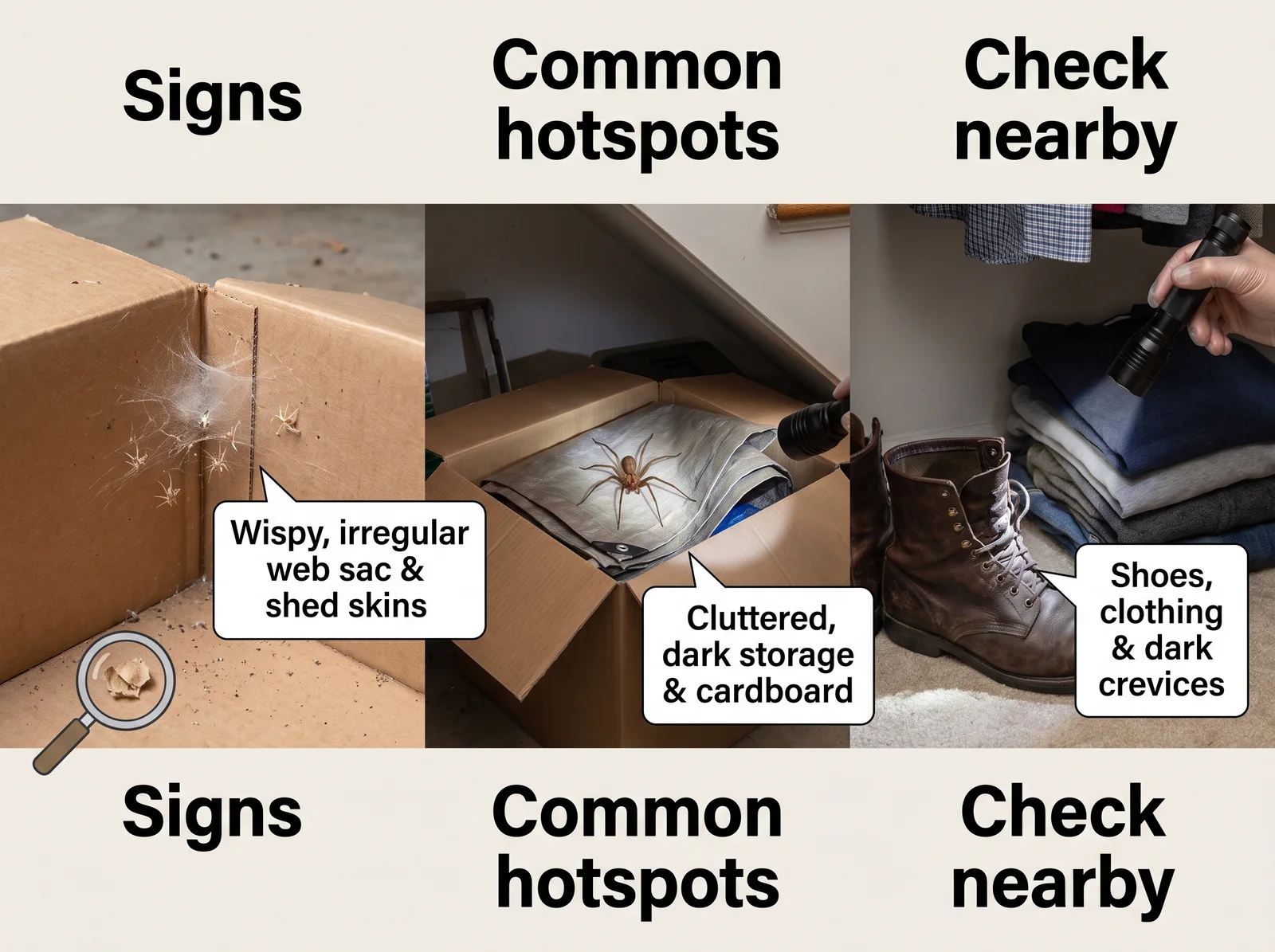
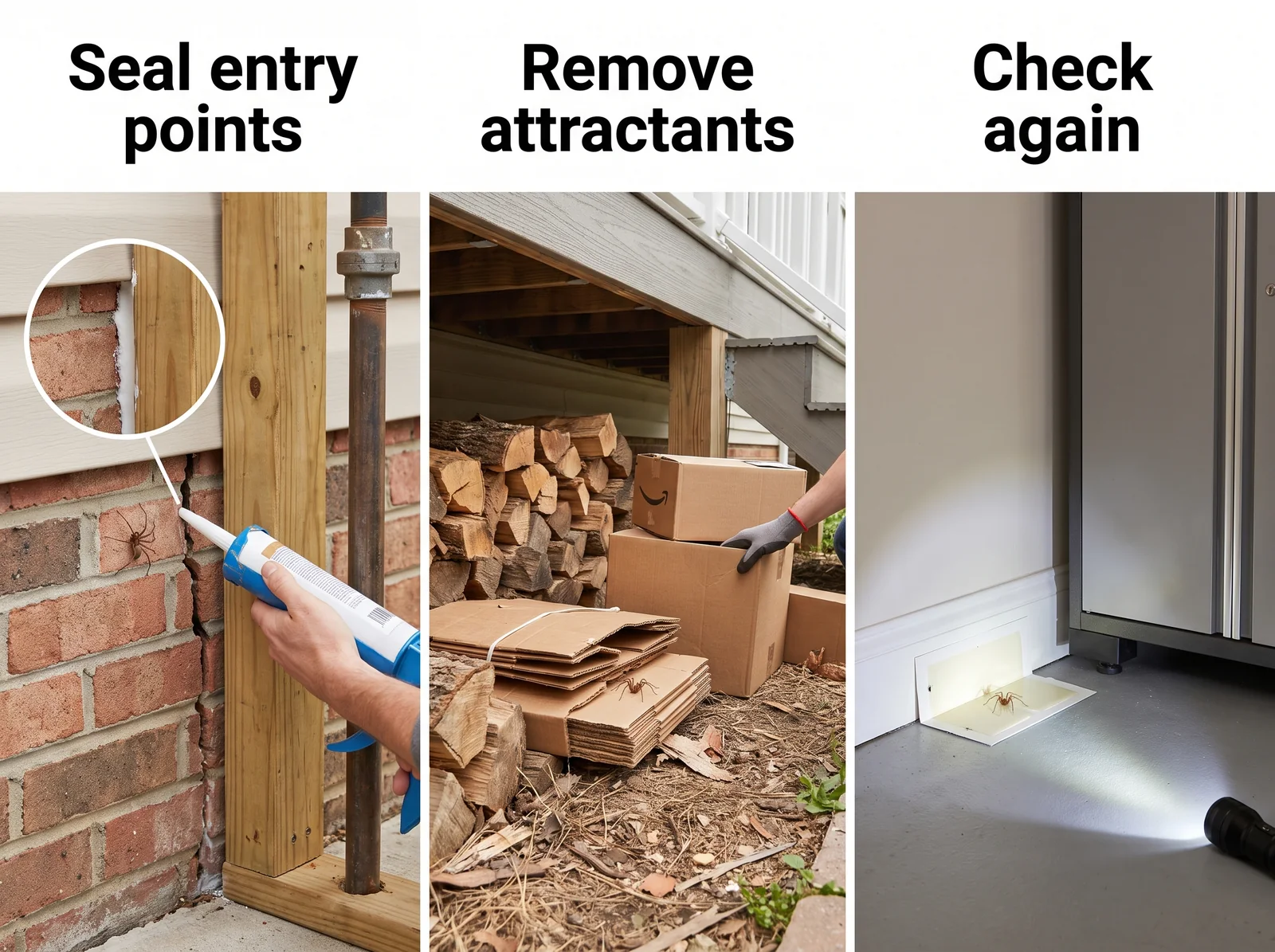
Many tools can flag a brown recluse as a likely match based on markings and body shape, but look-alike spiders are common and easy to confuse with the real thing. Because a misidentification could lead to unnecessary worry or an unsafe response, it's best to confirm any suspected dangerous bug with a pest professional or clinician before taking action.
Are bug identification by picture apps free to use?
Most offer some level of free access, often with a daily limit on scans or basic species information included at no cost. Extra features like unlimited scans, detailed species libraries, or saved collections are usually reserved for paid subscriptions. It's worth trying the free tier first to see if it covers what you actually need.