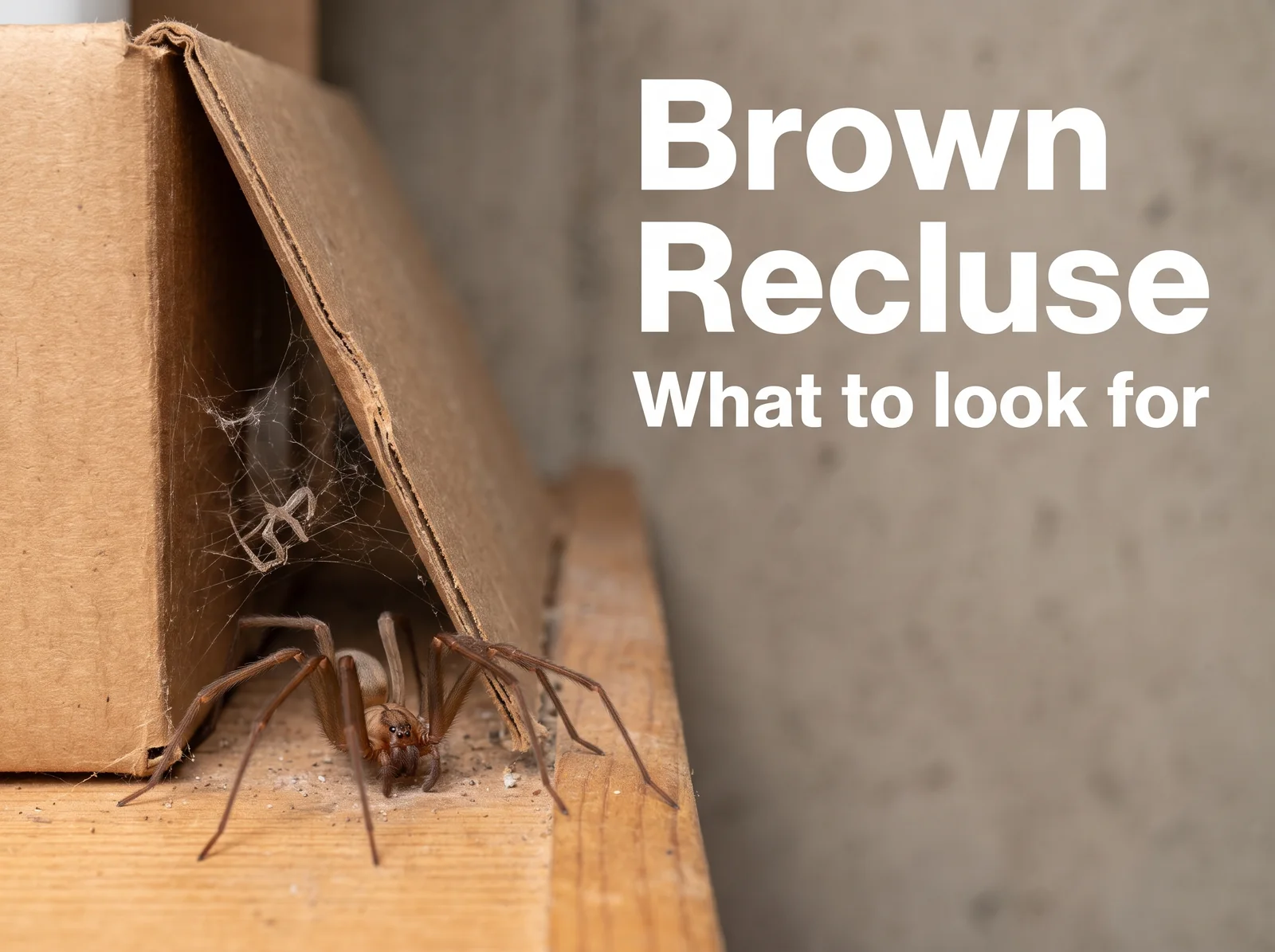
Why do brown recluse spiders get inside vehicles?
Spiders rarely seek out vehicles on purpose, but cars offer shelter, warmth, and quiet hiding places. If you park near woodpiles, dense brush, or inside an unsealed garage, spiders can easily crawl through weather stripping gaps, air vents, or open windows.
They are also commonly carried inside by accident. Items like moving boxes, gym bags, camping gear, or yard tools left in your trunk or back seat can easily transport a hidden spider directly into your vehicle interior.
Where do they usually hide inside a car?
Brown recluse spiders prefer tight, undisturbed crevices where they feel secure and protected from daylight. In a car, this means they often tuck themselves into areas you do not frequently touch or look into during normal driving.
Pay special attention to these common hiding spots when you begin your search:
- Underneath front and rear floor mats
- Deep between seat cushions and behind folding seatbacks
- Inside door pockets, the glove box, and center console compartments
- Around the spare tire well and trunk side panels
- Behind loose fabric under the dashboard and sun visors
What is the best way to clean and vacuum your vehicle?
A deep cleaning is your strongest tool for removing spiders, webs, and egg sacs. Before you begin, put on durable work gloves and long sleeves to protect your hands and arms from unexpected contact while reaching under seats.
Take everything out of the vehicle, shaking out floor mats, blankets, and loose paperwork outside. Use a strong wet-dry or shop vacuum with a narrow crevice attachment to slowly clean along seat tracks, seams, trunk corners, and under dash panels. When finished, immediately empty the vacuum canister into an outdoor trash bin.
How do you use sticky traps effectively in a car?
Sticky glue boards are highly effective for catching brown recluse spiders as they travel at night. Since these spiders hunt along baseboards and edges, place flat glue boards flush against surfaces where spiders are likely to crawl.
Position traps flat on the floorboards under the front seats, along the edges of the trunk, and near the pedal area when the car is parked. Check the traps daily to see what you catch, and replace them when they get dusty or full.
Does parking in the heat help eliminate them?
Vehicles parked in direct sunlight with the windows fully rolled up can reach interior temperatures well over 120 degrees Fahrenheit on a hot summer afternoon. Sustained high heat creates an inhospitable environment for spiders and can kill them or drive them out.
While natural heat helps reduce spider activity, it should not be your only method. Some spiders may retreat deep into cooler insulated areas behind door panels or beneath the floor carpet. Combine heat exposure with vacuuming and sticky traps for reliable control.
Should you apply pesticides inside your vehicle?
Chemical sprays should be used with extreme caution inside enclosed vehicle cabins. The confined air volume and proximity to surfaces you touch daily make heavy pesticide use unwise and often unnecessary for a vehicle infestation.
If non-chemical methods do not fully solve the problem, look only for an EPA-registered product specifically labeled for indoor vehicle application and target spider pests. Read and follow the entire label carefully, ensure full ventilation before driving, and never apply products to steering wheels, seats, or air vents.
How can you keep spiders from returning to your car?
Preventing future spiders from entering requires eliminating nearby harborages and keeping your interior clean. Park your vehicle away from dense perimeter vegetation, outdoor firewood stacks, and untreated outbuildings whenever possible.
Make it a habit to keep your vehicle free of clutter, fast-food wrappers, and loose gear that attract small insects spiders prey upon. Inspect gym bags, outdoor sports gear, and grocery boxes before loading them into your trunk or back seat.
Questions you may still have
Can a brown recluse survive in a car during winter?
Brown recluse spiders can slow their metabolism and survive cold temperatures if sheltered inside insulated vehicle crevices. While extreme freezing temperatures can kill them over time, they often stay dormant in protected spots under floor carpets or seat padding until the weather warms up.
Will vehicle air conditioning blow spiders through the vents?
Spiders do not live inside active air ducts, but they may wander near exterior cabin intake vents beneath the windshield cowl. Replacing your cabin air filter regularly and cleaning away leaves trapped near the hood intake prevents spiders from finding shelter near ventilation openings.
What should you do if you spot a spider while driving?
Remain calm, keep your hands on the steering wheel, and safely pull over to the side of the road or a parking lot. Never try to swat or catch a spider while moving. Once safely stopped in park, use a tissue or cup to remove the spider.