What are the immediate first-aid steps for a suspected bite?
Your immediate goal after a suspected bite is to reduce swelling, slow venom spread, and protect the skin from harmful bacteria. Wash the area gently with warm water and ordinary hand soap. Avoid scrubbing, as vigorous friction can irritate delicate tissue around the bite.
Apply an ice pack wrapped in a clean cloth for ten minutes on and ten minutes off. Keep the affected area elevated above your heart whenever practical to reduce localized swelling and throbbing.
- Clean gently with mild soap and clean running water.
- Apply a cloth-wrapped cold pack in short intervals.
- Elevate the bite site to minimize fluid buildup.
- Avoid applying heat, which accelerates tissue irritation.
What symptoms should you expect over the first few days?
Most brown recluse bites begin with mild stinging or go unnoticed initially. Within two to eight hours, you might notice mild pain, localized redness, and slight swelling. As the day progresses, the center of the bite often turns pale or bluish-purple.
Over the next 24 to 72 hours, a small blister may form over the central discolored area. While many bites resolve on their own without severe tissue damage, some develop into open sores that heal slowly over several weeks.
- Initial stinging followed by redness and swelling within hours.
- Development of a pale or blue-gray central area surrounded by a red ring.
- Formation of a small blister or firm nodule over two to three days.
When is it time to seek professional medical attention?
You should consult a healthcare provider promptly whenever you suspect a brown recluse bite. A doctor can assess the wound, rule out bacterial infections like MRSA that mimic spider bites, and update your tetanus vaccination if necessary.
Seek emergency medical care immediately if you develop systemic symptoms. These warning signs include fever, chills, nausea, body aches, joint pain, or a spreading rash across your body. Children and older adults require immediate clinical oversight.
What mistakes should you avoid when managing the wound?
Many traditional home remedies do more harm than good. Never attempt to cut the bite open, squeeze the area, or suck out the venom. These methods damage fragile skin tissue and introduce dangerous oral bacteria into the open wound.
Avoid applying harsh chemicals, drawing salves, or unverified folk poultices to the skin. Do not pop any blister that forms, as intact skin serves as your body's best natural barrier against secondary bacterial infection.
Why is proper pest identification so important?
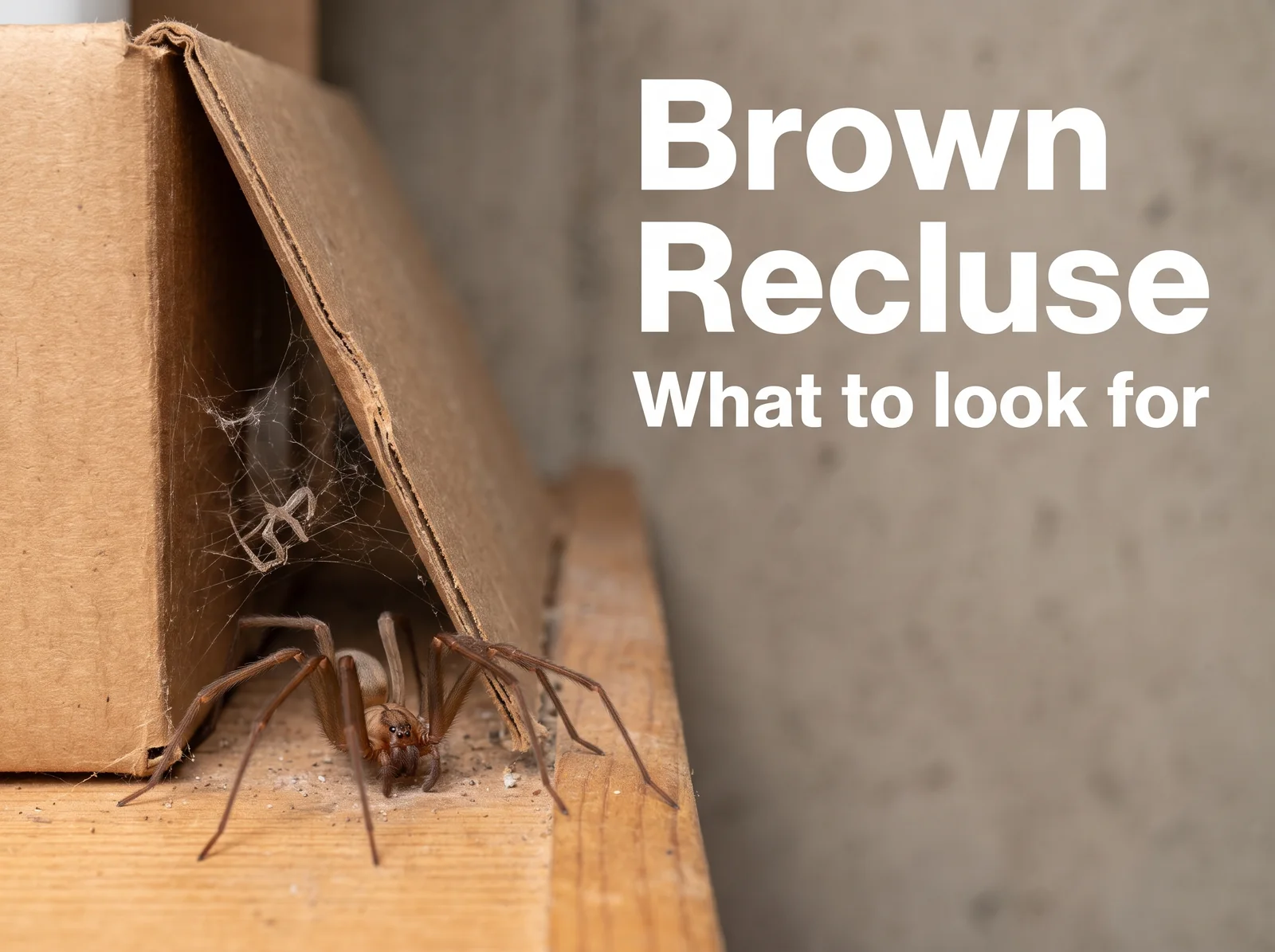
Many skin conditions, fungal issues, and insect stings get misdiagnosed as brown recluse bites. True brown recluse spiders have six eyes arranged in three pairs and a violin-shaped marking on their back, though positive identification requires close examination.
If you can safely capture the spider without risking another bite, trap it in a clear jar or crush it gently into a sealed container. Bringing the specimen to your appointment helps your doctor confirm whether a recluse caused the reaction.
How can you remove hidden spiders from your home?
After addressing the bite, inspect your living space to prevent future encounters. Brown recluse spiders thrive in undisturbed, cluttered environments. Focus on clearing cardboard boxes, stored clothing, and neglected clutter from basements, attics, and closets.
Place flat sticky glue traps along baseboards, behind large furniture, and near dark corners to monitor activity. Vacuum thoroughly under beds, behind storage racks, and along floorboards, disposing of the vacuum bag outside immediately.
- Replace cardboard storage boxes with smooth, airtight plastic bins.
- Position sticky traps flush against walls where spiders travel.
- Vacuum along baseboards and dark corners on a routine schedule.
What structural habits help prevent future bites?
Simple daily habits significantly lower your chance of contacting a hidden spider. Shake out your shoes, boots, jackets, and blankets before using them, especially items retrieved from closets or storage areas. Move beds away from walls and remove bed skirts.
Seal gaps around foundation entry points, exterior doors, and utility pipes to block outdoor entry. If pest pressure persists after sanitation and exclusion, use an EPA-registered product labeled specifically for indoor spider control, following the complete label instructions.
Questions you may still have
Can over-the-counter antihistamines or pain relievers help?
Over-the-counter pain relievers can help reduce swelling and discomfort, while oral antihistamines may ease localized itching around the bite. However, these medications only manage surface symptoms and do not neutralize spider venom. Always check with a pharmacist or doctor before taking new medications, especially if you have underlying health conditions or take prescription drugs.
How long does a brown recluse bite take to heal completely?
Mild bites often resolve within one to two weeks with minimal scarring. More severe bites that develop small open sores or localized tissue breakdown may take anywhere from six to twelve weeks to heal completely. Consistent wound care, keeping the site clean, and following your clinician's guidance prevent secondary bacterial infections that prolong recovery.
Why do people often mistake other conditions for brown recluse bites?
Bacterial skin infections, particularly methicillin-resistant Staphylococcus aureus, produce painful red lesions, blisters, and necrotic tissue that closely resemble spider bites. Shingles, tick-borne illnesses, and contact dermatitis can also cause similar localized symptoms. Because misdiagnosis is common, an in-person medical evaluation is essential to receive correct treatment rather than guessing based on appearance alone.