Where do brown recluse spiders hide in your yard?
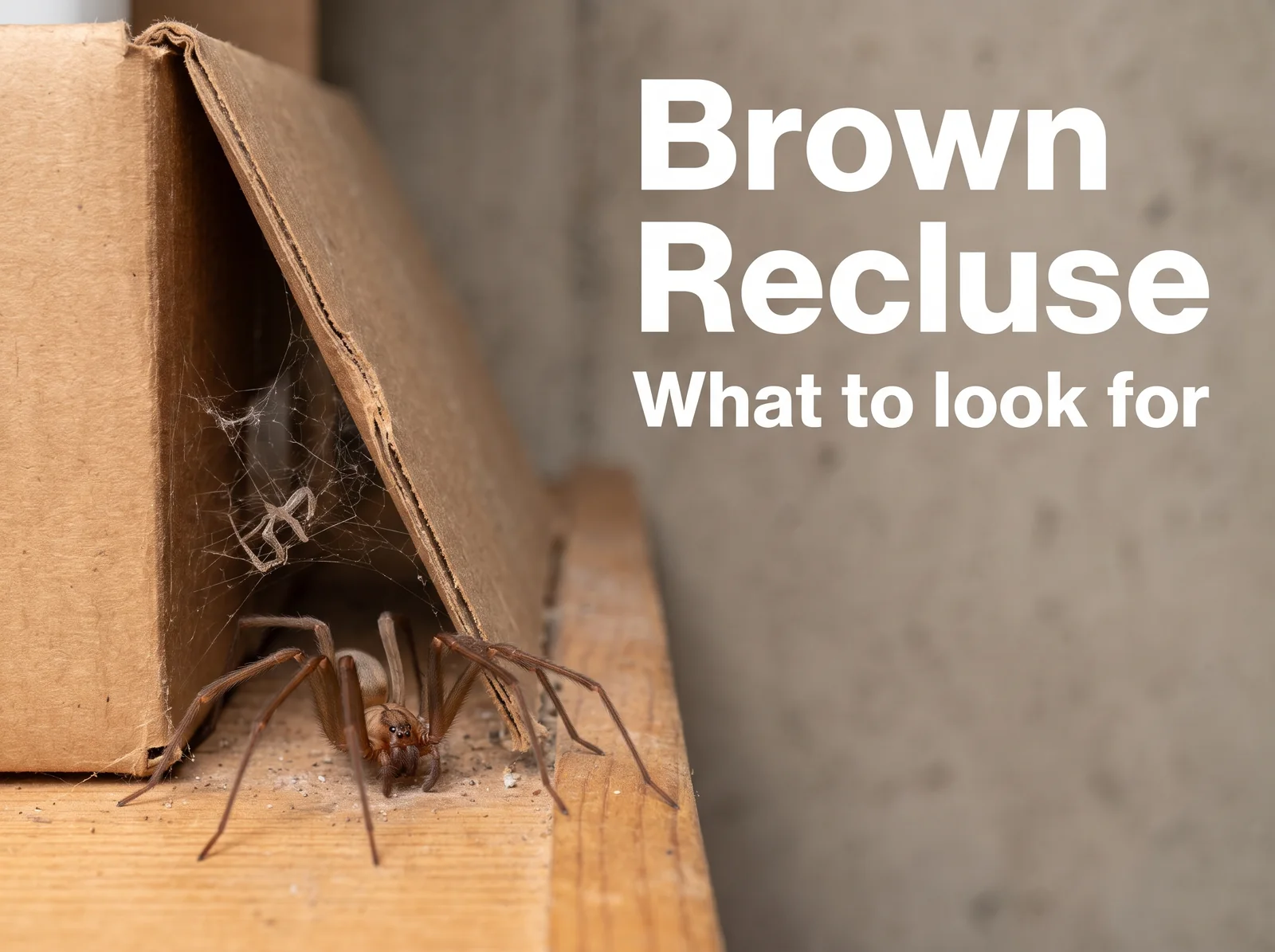
Brown recluses seek sheltered, dry microhabitats that remain undisturbed for weeks or months at a time. In outdoor settings, they rarely establish webs across open lawns or in sunny garden patches. Instead, you will find them tucked behind loose tree bark, inside stacked stone walls, under flagstones, and beneath warped patio boards.
Outbuildings are another primary outdoor hotspot. Detached sheds, pool pump enclosures, detached garages, and unused dog houses provide the exact cover brown recluses prefer. Any outdoor item resting flat on soil or gravel traps warm air and blocks rain, creating an ideal hiding spot.
- Stacked firewood, lumber, and leftover roofing shingles
- Piles of rocks, bricks, or landscaping pavers
- Cardboard boxes or plastic totes kept in open carports or sheds
- Overgrown ivy, thick ground cover, and dense foundation shrubbery
Why are brown recluses attracted to your outdoor spaces?
Brown recluses do not feed on plants or garden waste; they hunt other insects and soft-bodied arthropods. If your yard hosts large populations of crickets, roaches, beetles, or silverfish, spiders will follow the food supply. Outdoor security lights that stay on all night often draw flying insects directly to your exterior walls, creating an all-night buffet.
Moisture levels also play a subtle role. While these spiders handle dry conditions well, their insect prey needs humidity. Leaky hose bibs, poorly drained downspouts, and rotting mulch beds attract prey species right to the perimeter of your house, which naturally concentrates spiders nearby.
How do you clear yard clutter to eliminate outdoor harborages?
Habitat modification is your best defense against outdoor recluses. Begin by moving firewood stacks at least twenty feet away from your home's foundation and elevating the logs off the ground on metal racks. This allows air to circulate underneath and removes an easy bridge to your exterior walls.
Next, clear out scrap building materials, broken flowerpots, and disused lawn equipment. If you must store items outdoors, replace wet cardboard boxes with sturdy plastic bins fitted with tight, snap-on lids. Keep storage areas swept and organized so spiders have fewer shadowed corners to colonize.
How should you trim landscaping and maintain the home perimeter?
Maintain a clean buffer zone of at least twelve to eighteen inches between your foundation and any landscape plants. Prune back tree branches and heavy shrubs so they do not touch the roof, gutters, or siding. Spiders frequently use overhanging foliage as a highway to reach upper vents and window frames.
Pull back heavy organic mulch from the foundation wall and consider replacing the first foot with crushed gravel or coarse rock. Keep your turf mowed short right up to borders, as tall grass traps humidity and hides the small debris piles that outdoor spiders use for day-to-day shelter.
How do you prevent outdoor spiders from entering your home?
Once you disturb outdoor spider habitats, the spiders will look for new shelter, making exclusion work critical. Inspect your exterior foundation walls for gaps around pipe penetrations, dryer vents, and electrical conduits. Seal these openings using silicone-based exterior caulk, expanding foam, or copper mesh.
Check all doors and ground-level windows for tight seals. Install durable door sweeps along the bottom of exterior doors, garage entries, and shed access panels. Replace torn window screens and ensure basement window wells have secure, fitted covers to block wandering pests.
How can you safely inspect and work in an infested yard?
Brown recluses are not aggressive, but they will bite if accidentally pressed against skin while you move yard objects. Whenever you work around woodpiles, rock borders, or outdoor sheds, wear heavy leather work gloves, long sleeves tucked into gloves, and long pants tucked into boots.
Always inspect items visually before picking them up. When moving stones or logs, roll them toward you so the underside faces away from your body, allowing any hidden spider to drop to the ground rather than onto your hands. Shake out gardening gloves, boots, and patio furniture cushions that have been sitting outside before using them.
When should you use outdoor pesticides or professional help?
Non-chemical sanitation and exclusion should always come first. If you face a severe outdoor population that physical cleanup does not resolve, outdoor chemical treatments may help as a targeted barrier. Always choose an EPA-registered product specifically labeled for outdoor spider control on structural perimeters, and follow all manufacturer instructions without deviation.
Because outdoor pesticide applications can wash away or degrade quickly in sunlight, broad outdoor spraying is rarely a permanent fix. If brown recluses persist around high-traffic outdoor living areas, consult a licensed pest control operator who can pinpoint outdoor nesting pockets and apply residual treatments safely.
Questions you may still have
Can brown recluse spiders survive freezing winter temperatures in a yard?
Yes, brown recluse spiders can survive cold weather by entering a state of slowed metabolic activity called diapause. They take shelter deep inside log piles, under deep leaf litter, or within exterior wall voids where temperatures stay slightly warmer than the open air. Cleaning up outdoor debris in autumn removes these protected wintering pockets before spring activity begins.
Do lawn sprinkler systems encourage brown recluse activity?
Sprinklers do not attract brown recluses directly, but frequent overwatering fosters damp soil and lush plant growth that attract crickets, sowbugs, and other insect prey. Excess moisture against siding can also rot wooden trim, creating hollow access gaps that spiders use for nesting and entering structures.
Will sticky traps placed outdoors help eliminate yard spiders?
Standard cardboard sticky traps do not hold up well outdoors because rain, high humidity, and blowing dust quickly ruin the adhesive. However, you can place weather-resistant glue boards inside detached garages, garden sheds, and crawlspace vents to monitor spider activity and confirm whether outdoor control measures are working.